Raising Digital Natives Right: 6 Essential Digital Citizenship Lessons for Students (Starting Young!)
Last Updated : March 13, 2026
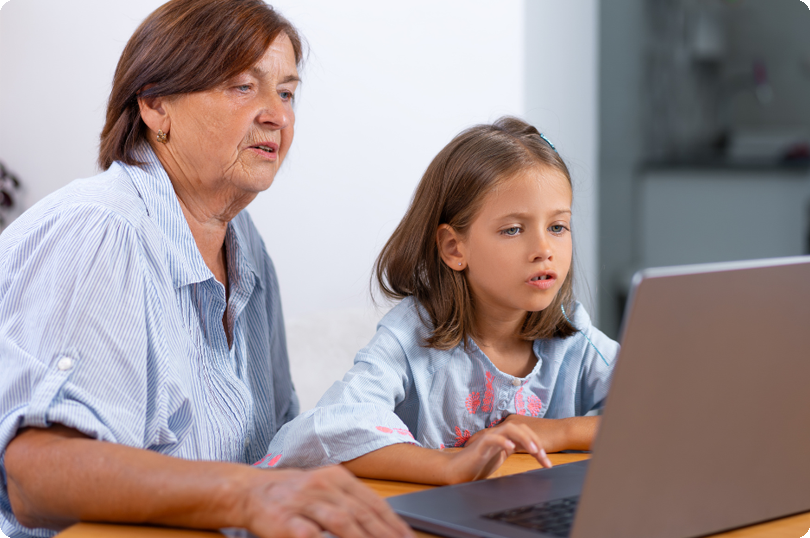
In today's super-connected world, being a good digital citizen is just as important as being a good citizen in real life. For children, navigating the online landscape can be tricky, but with the right guidance - from an early age - they can become responsible, respectful, and safe digital citizens. Here are 6 essential lessons every child needs to learn, and the sooner they start, the better!
1. Digital Footprint: What You Post Stays Forever (Even When You're Little!)
Every picture, comment, and share leaves a mark online. Children need to understand that their digital footprint is permanent and can impact their future opportunities, like college admissions or job prospects. This understanding should begin the moment they first engage with any online platform.
Every picture, comment, and share leaves a mark online. Children need to understand that their digital footprint is permanent and can impact their future opportunities, like college admissions or job prospects. This understanding should begin the moment they first engage with any online platform.
- Why it matters: Once something is online, it's incredibly hard to remove completely. Emphasize thinking before posting and understanding the long-term consequences of their online actions, regardless of age.
- Actionable tip: Encourage teens to "Google" themselves regularly to see what information is publicly available and how they are perceived online. For younger kids, start with discussing what types of photos or information are okay to share with family versus the whole world.
2. Online Safety & Privacy: Protecting Personal Information (A Lifelong Skill)
Sharing too much personal information can put them at risk. This lesson covers everything from creating strong passwords to recognizing phishing scams and understanding privacy settings. These fundamental safety habits are best learned early, building a strong foundation for future online interactions.
Sharing too much personal information can put them at risk. This lesson covers everything from creating strong passwords to recognizing phishing scams and understanding privacy settings. These fundamental safety habits are best learned early, building a strong foundation for future online interactions.
- Why it matters: Personal data can be stolen, misused, or lead to unwanted attention. Protecting privacy is crucial for online security.
- Actionable tip: Teach how to use privacy settings on social media and other platforms, and the importance of never sharing passwords or private details with anyone outside their immediate family. For younger children, focus on not talking to strangers online and always asking a parent before clicking on new links.
3. Cyberbullying & Digital Drama: Be Kind and Report It (No Matter Your Age)
The internet can be a breeding ground for negativity.Children need to learn to identify cyberbullying, understand its impact, and know how to respond – both as a target and as a bystander. Introducing empathy and respectful communication online is critical from their very first digital interactions.
The internet can be a breeding ground for negativity.Children need to learn to identify cyberbullying, understand its impact, and know how to respond – both as a target and as a bystander. Introducing empathy and respectful communication online is critical from their very first digital interactions.
- Why it matters: Cyberbullying can cause significant emotional distress and harm. Promoting kindness and empathy online is vital.
- Actionable tip: Encourage them to stand up to cyberbullying (if safe to do so), block bullies, save evidence, and report incidents to a parent, trusted adult or platform administrators. Remind even elementary schoolers that what they say online can hurt, just like in person.
4. Media Literacy: Fact vs. Fiction Online (A Skill That Can't Wait)
With so much information available, distinguishing reliable sources from misinformation is a critical skill. Kids need to learn how to critically evaluate what they see and read online. This isn't just for high schoolers; even young children can learn to question what they see on screens.
With so much information available, distinguishing reliable sources from misinformation is a critical skill. Kids need to learn how to critically evaluate what they see and read online. This isn't just for high schoolers; even young children can learn to question what they see on screens.
- Why it matters: Misinformation can spread rapidly and lead to misunderstandings or even dangerous situations. Developing critical thinking helps kids make informed decisions.
- Actionable tip: Teach them to check sources, look for multiple perspectives, and question headlines that seem too good (or too bad) to be true. For younger kids,this could be as simple as asking "Is this really true?" about something they see in a game or video.
5. Digital Etiquette: Respectful Communication (It Starts Now!)
Just like in face-to-face interactions, there are unspoken rules for polite online communication. This includes using appropriate language, respecting others' opinions, and avoiding all-caps "shouting." Establishing these norms early prevents bad habits from forming.
Just like in face-to-face interactions, there are unspoken rules for polite online communication. This includes using appropriate language, respecting others' opinions, and avoiding all-caps "shouting." Establishing these norms early prevents bad habits from forming.
- Why it matters: Good online etiquette fosters positive interactions and helps prevent misunderstandings or conflicts.
- Actionable tip: Remind them to pause before hitting "send" and ask themselves: "Would I say this to someone's face?" or "Is this clear and respectful?" This applies whether they're texting friends or commenting on a classroom forum.
6. Copyright & Plagiarism: Give Credit Where Credit's Due (Foundational Honesty)
The ease of copying and pasting online content makes it tempting to use others' work without permission. Children need to understand intellectual property rights and the importance of citing sources. Teaching about giving credit is a basic honesty lesson that translates perfectly to the digital world, even for their earliest school projects.
The ease of copying and pasting online content makes it tempting to use others' work without permission. Children need to understand intellectual property rights and the importance of citing sources. Teaching about giving credit is a basic honesty lesson that translates perfectly to the digital world, even for their earliest school projects.
- Why it matters: Plagiarism is a serious academic offense, and respecting copyright protects creators' work.
- Actionable tip: Show them how to properly cite sources for images, text, and ideas found online, and encourage them to use creative commons or public domain resources when appropriate. Start with simple acknowledgements for images used in presentations, even in primary grades.
By instilling these six digital citizenship lessons, and starting to teach them as early as possible, we can empower students to navigate the digital world confidently, safely, and responsibly, making it a better place for everyone.
*This blog was written in conjunction with Meta AI
*This blog was written in conjunction with Meta AI